Beyond the ordinary
Myanmar, also known as Burma, is a Southeast Asian country with a rich cultural heritage shaped by Buddhism, diverse ethnic groups, and centuries of history. The country has faced significant political challenges, including long periods of military rule, that have affected its government, human rights, and international relations. Economically, Myanmar relies heavily on agriculture, natural resources, and trade, but ongoing political instability has slowed development and limited economic growth. Despite these difficulties, the nation remains culturally vibrant, with traditions, languages, and customs that continue to play an important role in daily life.
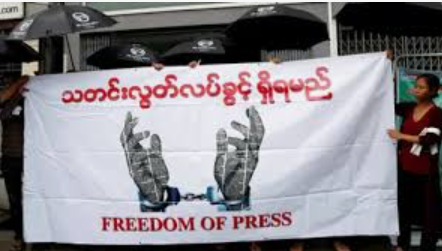
Restrained Freedom of Press in Myanmar
One theory of the press that best fits Myanmar is the authoritarian theory because the government has a strong influence over what people can see, hear, and read in the media. For many years, Myanmar’s military government has controlled journalists and punished people who speak out against the state. After the military coup in 2021, press freedom became even more restricted, with many reporters arrested and independent news outlets shut down. According to the 2025 World Press Freedom Index and the 2026 Freedom House report, Myanmar is considered one of the least free countries for media and internet access. This is very different from the United States, where the press is generally protected by freedom of speech laws and journalists are allowed to criticize the government openly. Even though the U.S. still deals with issues like biased reporting and misinformation, people have much more freedom to access different opinions and sources of news.
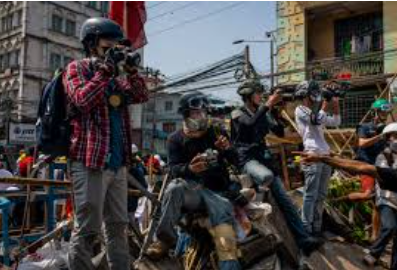
Media Industries and Government Control
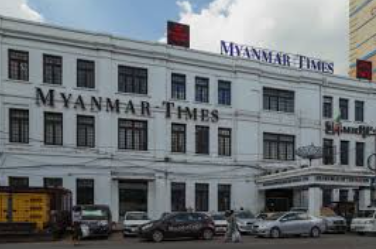
The different types of media in Myanmar are also much more controlled than in the United States. Newspapers and magazines are often censored, and many independent journalists have either been arrested or forced to leave the country. Television and radio stations are mostly influenced by the government, which means the public does not always receive balanced information. Myanmar’s film industry has also faced censorship, especially when movies discuss politics or social problems. In comparison, American media companies have far more independence and are able to produce content with fewer government restrictions. The PBS video about global communication explains how technology and globalization allow information to spread quickly around the world, but Myanmar’s government tries to limit this flow of information by restricting media access and controlling what citizens can view.
Internet Freedom and the Digital Divide
Internet freedom is another major difference between Myanmar and the United States. In Myanmar, the government often blocks social media sites, shuts down internet access during protests, and monitors online activity. This connects to the idea of the digital divide because many people in the country already struggle with limited access to technology and reliable internet. In the United States, internet access is much more available, and people can usually share ideas online without fearing punishment from the government. The short film Network Society explains how digital communication connects people globally, but Myanmar shows that governments can still use control and censorship to limit those connections. The Illusionists also discusses how globalization spreads media and cultural ideas across countries, but because Myanmar has strict media controls, global influences are not as open or widespread there as they are in the United States.
In conclusion, the media systems in Myanmar and the United States show both the advantages and disadvantages of different approaches to media control and freedom. The United States benefits from a freer press system where journalists and citizens can express opinions openly, which supports democracy and the global exchange of information discussed in the readings and films about globalization and network society. However, this freedom can also lead to problems such as misinformation, political bias, and the spread of harmful content online. In Myanmar, tighter government control allows leaders to limit criticism and maintain authority, but it also prevents citizens from accessing accurate information and restricts freedom of expression. In the end, the comparison shows that while globalization and digital communication have the power to connect societies, governments still play a major role in shaping how free and open media systems truly are.
Create Your Own Website With Webador